Across Western Australia, mining companies are under growing pressure to reduce their carbon footprint. With ambitious net-zero commitments now set by major miners, the spotlight is firmly on one critical area: fleet emissions.
For many operations, CO₂ reduction is no longer a future goal — it’s a present-day operational challenge.
The Scale of the Problem
Mining fleets in WA operate in some of the toughest environments in the world. Haulage trucks, road trains, service vehicles, and logistics fleets run:
- Long distances
- Heavy payloads
- Around-the-clock schedules
- In remote locations
This combination makes diesel consumption — and therefore CO₂ emissions — extremely high.
In fact, for many mining companies, transport and mobile equipment account for one of the largest portions of operational emissions.
That’s why reducing fleet emissions has become a key priority in sustainability strategies across the sector.
Why It’s Not a Simple Fix
Unlike other industries, mining cannot quickly switch to fully electric fleets. The reality is:
- Charging infrastructure is limited in remote regions
- Vehicle weight and range requirements remain extremely high
- Reliability and uptime are non-negotiable
Because of this, miners are increasingly focusing on practical, immediate emission-reduction strategies rather than waiting for future technologies.
The Shift Toward Efficiency
Today, the biggest opportunity lies in improving fleet efficiency — reducing fuel use without compromising performance.
This includes:
- Optimising routes and logistics
- Driver behaviour programs
- Lightweight vehicle specifications
- Advanced materials and components
Among these, vehicle weight reduction is one of the fastest ways to cut fuel consumption and CO₂ output.
Every kilogram saved translates directly into:
- Lower fuel burn
- Reduced emissions
- Increased payload capacity
It’s a small change that delivers measurable results.
The Role of Lightweight Components
In heavy haulage applications, even modest weight savings can create significant environmental impact.
Lightweight components help fleets:
- Reduce overall vehicle mass
- Improve fuel efficiency
- Lower rolling resistance
- Extend service life
Over the life of a mining fleet, these improvements can translate into thousands of litres of fuel saved and measurable CO₂ reductions — supporting both operational efficiency and sustainability targets.
Sustainability Is Becoming a Procurement Decision
A major shift happening across the mining sector is that sustainability is no longer just an ESG reporting metric — it’s becoming a procurement requirement.
Fleet managers are increasingly asking:
- How can we reduce emissions today?
- Which specifications support long-term sustainability goals?
- Where can efficiency be improved without operational risk?
The answers often lie in smarter equipment choices rather than large-scale technology overhauls.
The Road Ahead
Western Australia’s mining industry is entering a new era — one where operational performance and environmental responsibility must go hand in hand.
While the journey to net zero will take time, one thing is clear:
Reducing CO₂ emissions from fleets will remain one of the biggest and most immediate challenges — and opportunities — for the industry.
Where Lightweight Specification Makes the Difference
As fleets look for practical ways to reduce emissions today, weight reduction continues to be one of the most effective and immediate solutions.
This is where lightweight aluminium wheel technology plays a meaningful role.
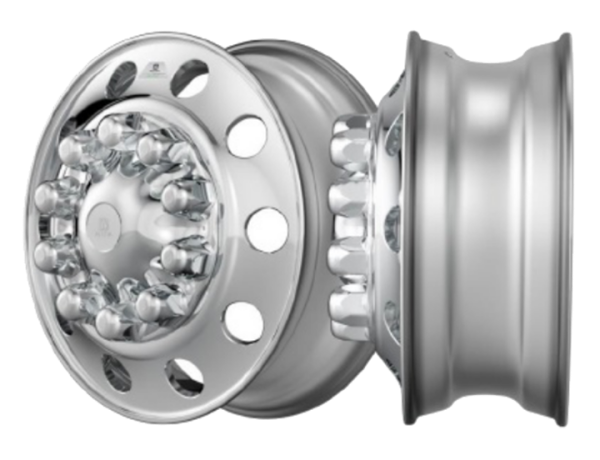
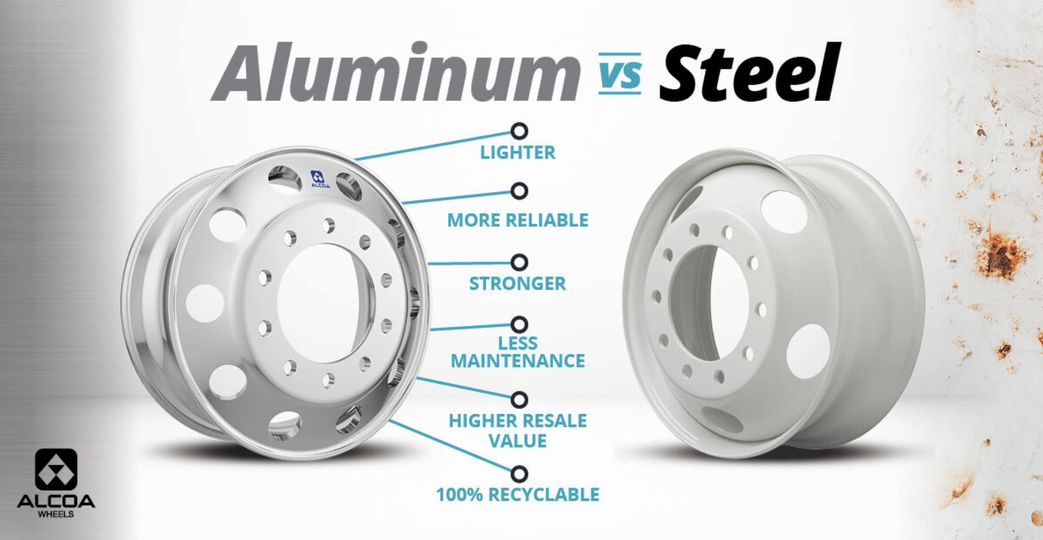
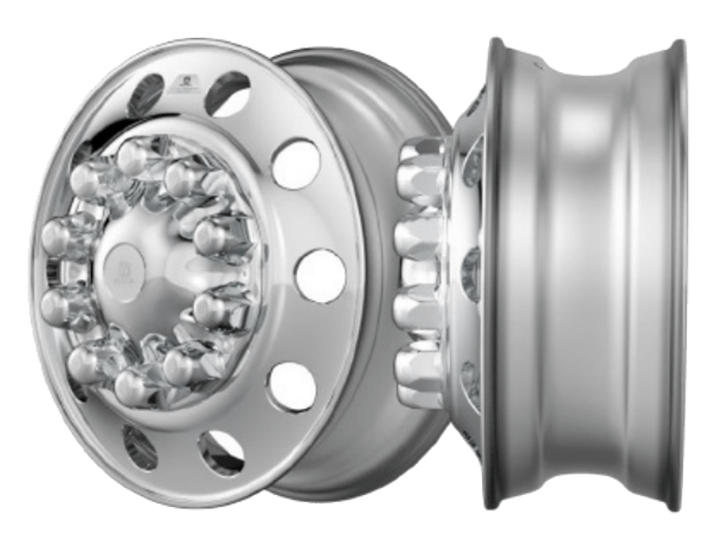
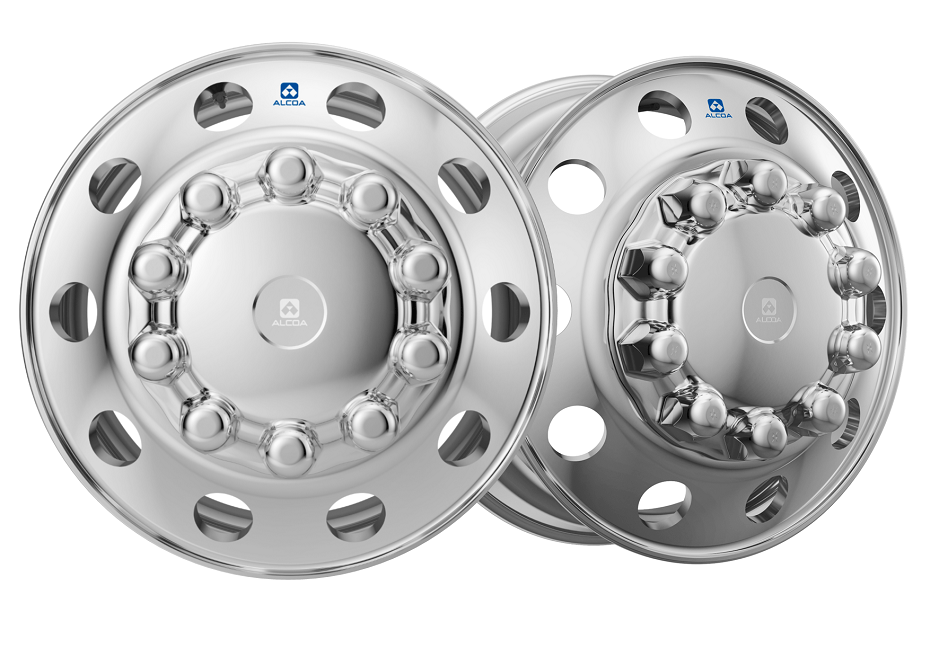
Alcoa Wheels, for example, are engineered to be significantly lighter than traditional steel wheels while maintaining the strength required for demanding mining applications. By reducing rotational mass, they help fleets:
- Lower fuel consumption
- Reduce CO₂ emissions
- Increase payload potential
- Improve overall operational efficiency
For mining fleets working toward sustainability targets, choosing lighter components isn’t just a specification decision — it’s a step toward measurable emissions reduction. See More: Environmental Care