8 Weighty Answers to Questions About The World’s Lightest Wheel

The prominent ‘lightest wheel in the market’ statement by Alcoa® Wheels has drawn in a lot of curiosity – and some great questions – from customers and other interested parties.

A statement like this isn’t said lightly, if you’ll pardon the pun. Alcoa Wheels were the very first forged aluminium wheel in the world, when in 1948 Aluminium company, Alcoa, using an alloy it had developed for the aerospace industry, invented the forged aluminium wheel.

In 1968, the Alcoa company set the industry standard again when it launched its 6061 alloy for forged aluminum wheels. Alcoa’s 6061 material provided a strong, durable alloy, resistant to corrosion that is used to this day by all major forged aluminum wheel manufacturers as the industry standard alloy.

Alcoa® Wheels have continually met increasing demands for lighter weight wheels, and by 2013 their design experts were engineering products 4.5kg lighter than wheels from 20 years before, using the same alloy.

Today, weighing in at just 18kg, the new Ultra ONE® Wheel is heralded as the lightest and strongest forged aluminium wheel in the world of commercial vehicles; manufactured from an exclusively patented alloy (6361) which is 17% stronger than the industry standard.

Here are the answers to 8 questions about the Ultra ONE® Wheel:

QUESTION 1: What does spec’ing the lightest wheel mean for my business?

A: In order to meet carbon emission regulations at truck OEM’s, fleets are switching to lighter-weight wheels more and more to offset the weight of technologies needed to remove air pollutants from diesel engine exhausts.

Lighter-weight, lower-maintenance wheels also help trucks improve fuel economy to help make up for rising fuel prices and move goods in a cleaner, more fuel-efficient way.

With the Australian Government extending the Instant Asset Write-off incentive recently, truck and trailer OEMs, together with owner-operators are taking advantage of being able to spec premium wheels like Alcoa® Wheels, and even up-spec to a Dura-Bright® finish, because they are able to make the best wheel investment decision comfortably and do it right, first time.

QUESTION 2: How do the numbers stack up when cost is a serious consideration for me?

A: The average forged aluminium 22.5” x 8.25” wheel weighs 23 kg, which is 25% heavier than the new Ultra ONE® Wheel. Put that into a payload calculator and you’ve got some serious savings over the lifetime of your equipment.

QUESTION 3: What applications are the new Ultra ONE® Wheels good for?

A: Because of the strength and durability of Alcoa® Wheels, they perform well in the harshest of conditions and are chosen by leaders in the mining operating industry, as well as for long haul applications, where payload and fuel efficiency are important considerations in the trailer build process.

The new Ultra ONE® Wheel is currently available in standard US fitment on 10-285, so you’ll see it on Tippers, Tankers, Skels and Tautliners – in fact, any trailer seeking to be light weight will benefit from this durable, light wheel that’s trusted by some of the biggest OEM’s in the world. Learn more about which applications Alcoa® Wheels suit.

The Dura-Bright® finish is widely used on the Ultra ONE® Wheel where maintenance down time is a cost factor to operators.

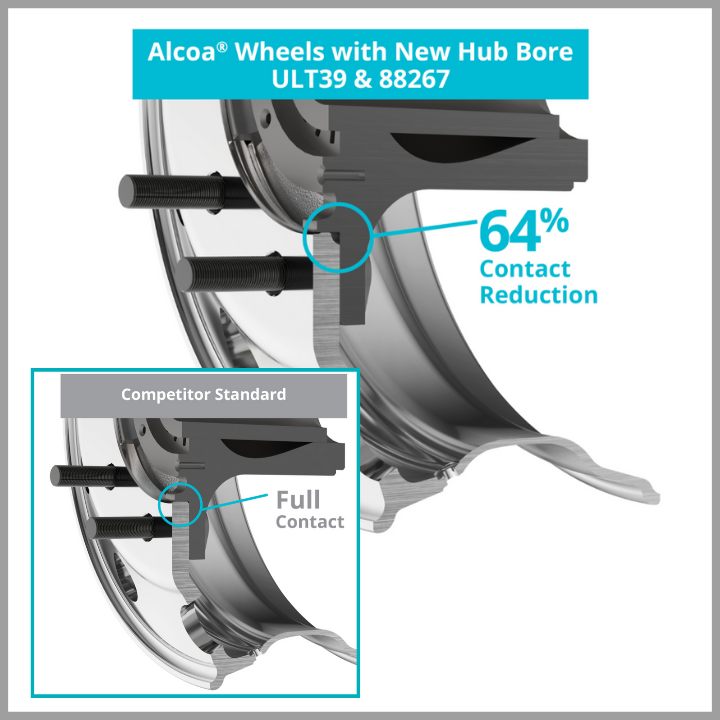
Alcoa Wheels Ultra ONE Wheel Hub Bore Groove Techonology comparison chart
QUESTION 4: How does the new wheel compare to the previous version of the Alcoa® Ultra ONE® Wheel?

A: The new 18kg wheel is an improvement in important ways. Its new Hub Bore Groove Technology reduces the metal-to metal contact area between the wheel and the hub wheel end by half.  This reduces the opportunity for corrosion to form, thus allowing for easier wheel removal during maintenance.

Aside from the Hub Bore Groove Technology, the exclusive to Alcoa® Wheels patented MagnaForce® Alloy is 17% stronger than the industry standard for forged aluminium wheels, which means that while the new Ultra ONE® wheel is 600grams lighter than the previous version, the load rating is the same at 3,355kg and payloads are thus improved further.

QUESTION 5: Does the new wheel look different to the previous Ultra ONE® wheel?

A: The wheel face, hand holes, and rim profile all look the same as the previous version, with minor changes not easily visible.  The only visible change you will note is the new enhanced hub bore with less metal present to reduce contact with the wheel hub.  Once mounted this hub groove will be hardly noticeable.

QUESTION 6: How will I know if I have the new Ultra ONE® wheel or the previous one?

A: The difference is in the part number. On the wheel roll stamp, you’ll see ULT39 in the part number, indicating the new 18kg wheel. The previous wheel part number began with ULTRA.

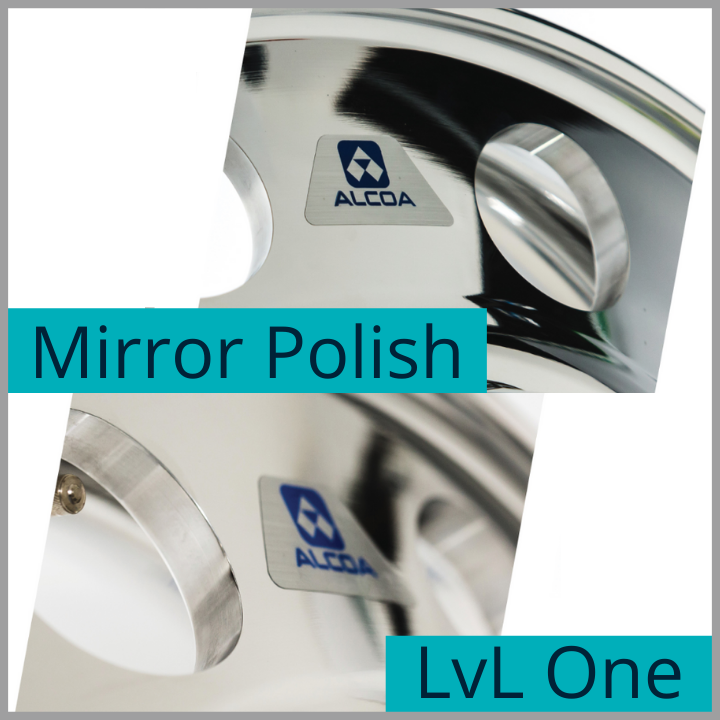
Closeup of Alcoa Wheels with Mirror Polish and LvL One finish
QUESTION 7: What finishes are offered with the Ultra ONE® Wheel?

A: This new wheel is offered in the same leading finish options: LvL ONE®, Mirror Polish and Dura-Bright®.

  • LvL ONE® reflective finish and high gloss levels give the wheel an appearance 6 times brighter than that of competitor wheels.
  • Mirror Polish  is in the premium wheel finish exclusive to Alcoa® Wheels, with the highest level of gloss and reflectivity of any wheel on the market.
  • Dura-Bright® surface treatment offers a consistent shine without the need to polish.

Compare the various Alcoa® Wheels finishes here.

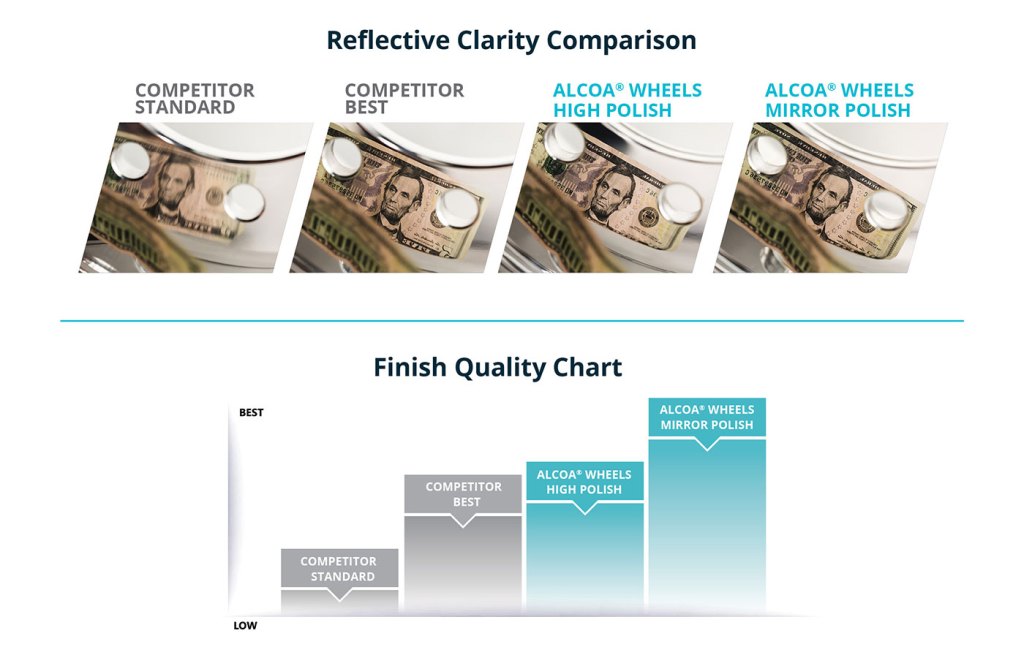
The quality of Alcoa® Wheels finishes is evident in the ‘Reflective Clarity Comparison’ below, with the competitor best finish sitting far below the Alcoa® Wheels’ standard LvL One® finish.

Alcoa Wheels finish comparison chart with varying degrees of shine
QUESTION 8: Where can I inspect the Ultra ONE® wheel?

A: Call phone-icon 1800 955 191 and talk to our wheel specialists. They will help you decide if the new Ultra ONE® Wheel is right for your equipment…and we’ll arrange to come out to you.

Make Sure It’s An Alcoa® Wheel
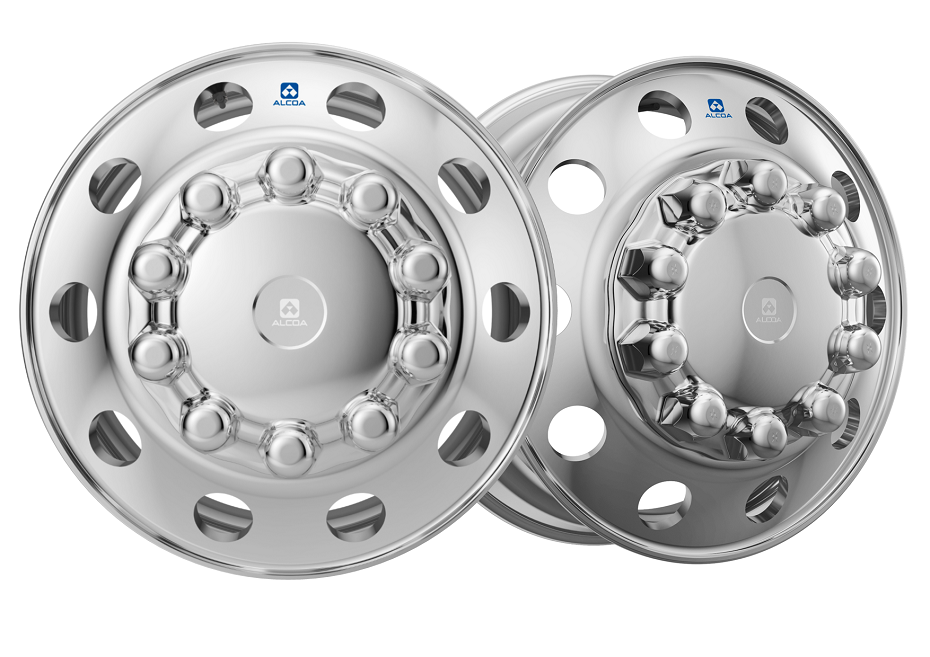
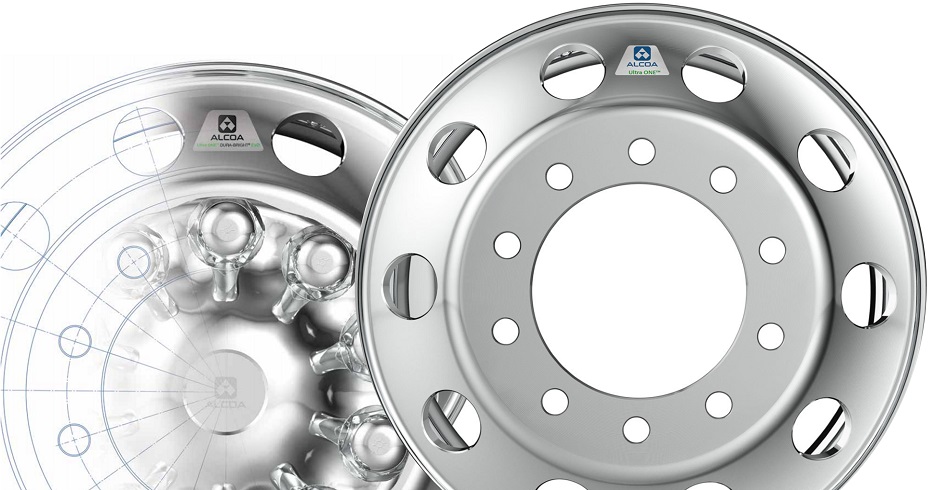
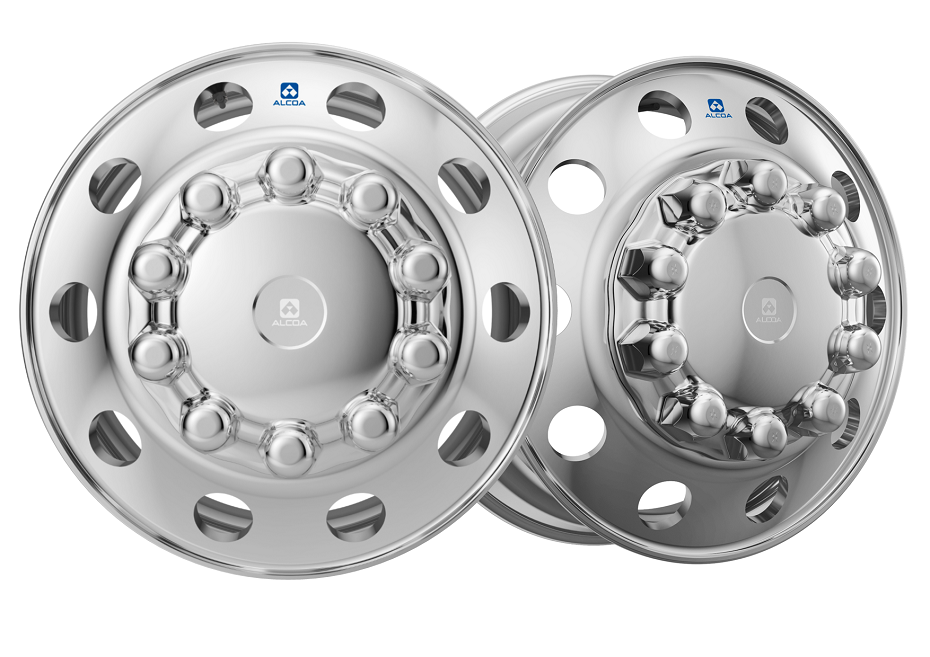
Two Alcoa Ultra ONE Wheels next to each other facing straight and side on

Did you know that you can specify Alcoa® Wheels when buying a truck or trailer?

Ask for Alcoa® Wheels to be included in the quote. To spec your wheels, ring phone-icon 1800 955 191 to talk with our wheel experts, or fill out a contact form and we will reach out to you to answer your questions and discuss your specifications.

May 28, 2021

6 Ways To Avoid Voiding Your Alcoa® Wheels Warranty

WARNING: Welding, brazing, or otherwise heating any area of an Alcoa® aluminium wheel will weaken the wheel. Weakened or damaged wheels can lead to an explosive separation of tires and wheels or wheel failure on the vehicle. Explosive separations of tyres and wheels or wheel failure on the vehicle could cause serious injuries or death. Never attempt to weld, braze, or heat any surface of an Alcoa® aluminium wheel.

Did you know that even something as seemingly harmless as chroming your Alcoa® Wheels instantly voids the 5 year warranty?

Alterations to a wheel may change stress points, strength, and corrosion properties in such a way that the wheel no longer meets design criteria, resulting in non-compliance with safety standards and vehicle certification requirements.

All Alcoa® Wheels come with a 5 year Warranty and are designed, manufactured, and rigorously evaluated in a tightly controlled environment to ensure they pass performance criteria only for approved applications, so it’s important to only use them for the applications they’re designed for and not to alter them in any way.

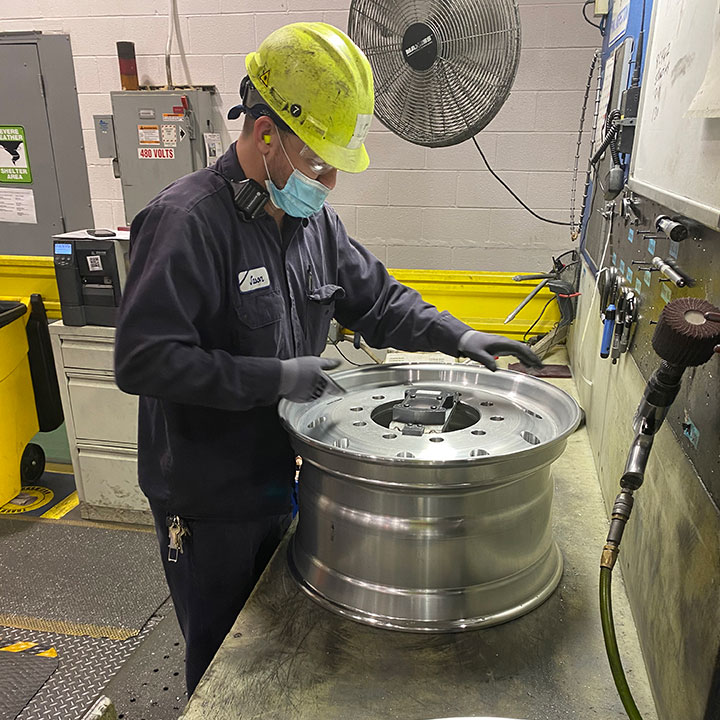
Engineer with an Alcoa Wheel checking quality and performance criteria
Quality Control Dimensional Testing being carried out on an Alcoa® Wheel
THE 6 THINGS THAT WILL VOID YOUR WARRANTY

Howmet Wheels Systems Australia (distributor of Alcoa® Wheels) will not be able to consider a wheel valid for reparation under the warranty if a customer brings a wheel in with any of the below alterations:

  1. Machining (of any type)
  2. Redesigning the hand holes
  3. Reconfiguring the bolt holes in any way
  4. Welding on any part of the wheel
  5. Painting the wheel
  6. Chrome plating the wheel

In fact, the warranty conditions state, “Howmet is not liable for, does not warrant, and will not repair or replace or make adjustment, with respect to any Wheel or surface or rim flange treatment on such Wheel that has been subjected to misuse, abuse, or improper modification.”

Under Australian law, while Alcoa Wheels owners are offered extra protection from guarantees that fall under the Australian Consumer Law, these consumer guarantees do not apply if the customer has misused a product in any way that caused the problem they are seeking to be remedied.

THE TROUBLE ALTERATIONS CAUSE WITH WARRANTY

Where wheels have been altered, Howmet Wheel Systems may not be able to certify the accuracy or validity of the certification markings that are stamped on the wheel at the time of manufacture.

Alterations can also lead to cracks, bending, shrinkage, breakage, out of roundness, balancing issues, and other problems that can lead to catastrophic wheel failure, wheel separation, tyre failure and/or tyre separation, all which can cause  serious injury or death.

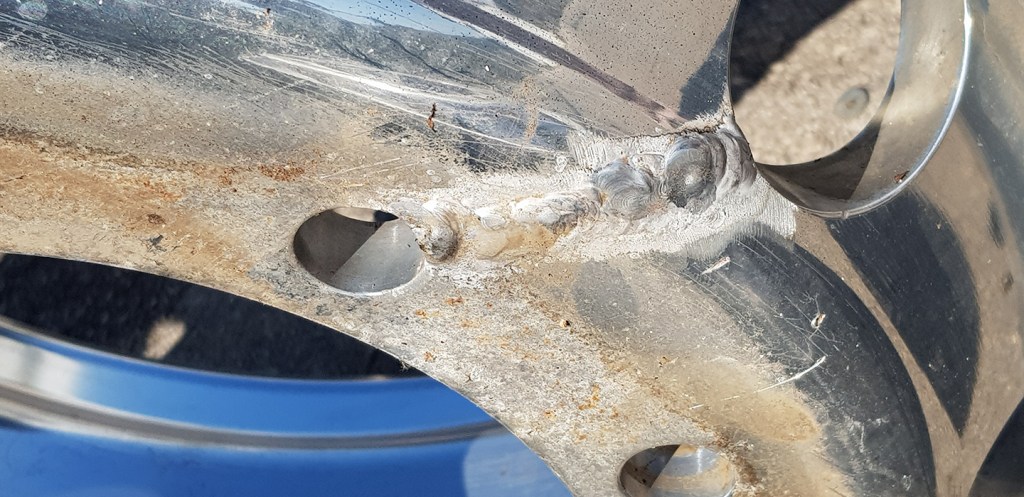
Alcoa Wheel altered with welding and voiding the 5 year warranty

Wheel showing welding alteration on the mounting surface and thereby voiding the 5 year warranty.

WARRANTY BEST PRACTICE

Always refer to the Alcoa® Wheel Service Manual when maintaining your Alcoa Wheels. Section 3-2 in our wheel service manual addresses wheel alteration in more detail.

Listen to wheels experts sharing warranty stories over at the Behind the Wheels Podcast:

This content requires certain cookies to function. Please accept cookies in order to continue. You may need to refresh your browser window afterwards.

Make Sure It’s An Alcoa® Wheel When You Buy Your Next Truck or Trailer
Two Alcoa Ultra ONE Wheels next to each other facing straight and side on

To spec your wheels for your equipment, ring phone-icon 1800 955 191 to talk with our wheel experts, or fill out a contact form and we will reach out to you to answer your questions and discuss your specifications.

May 3, 2021

5 Things You Wouldn’t Expect About Designing the Lightest and Strongest Aluminium Wheels

You’re not alone if you’re asking, ‘Why is wheel design so complex when all wheels are simply round?’

Even people who work in the wheel industry in many forms – from tyre fitters to service technicians – are told that working with wheels ‘should’ be easy because, after all, a wheel is a wheel is a wheel.

Designing the lightest and strongest wheels is top of the list for the manufacturer of Alcoa Wheels, Howmet Aerospace, as these factors determine the overall performance of a truck, bus or trailer when it comes to increasing payload capacity and bettering fuel efficiency to help fleets maintain a healthy bottom line.

Two Alcoa® Ultra ONE® Wheels with and without hub cover

Grant DeGeorge, Global Design Manager, has been with the company for almost 14 years now (as at 2021) and designed wheels for approximately 10 of those.

“It’s not a cookie cutter design,” he says. “When somebody wants a 22.5”x8.25” wheel, we just don’t pull a design from our back pocket and run it through a test. There’s a lot of things we’ve got to get from the customer, whether it be a mounting system, the offset, whether it’s going to be used in the steer position, for example”.

Grant also says that in between what the customer needs, things like the load rating, the pressure ratings, what application they’re using it in, whether they’re using disc brakes, whether they’re using drum brakes, all need to be taken into account when designing wheels that are reputed to be the lightest and strongest in the market.

“It’s the whole system solution that we need to think about when we’re designing a wheel,” he adds.

Here are 5 unexpected things about designing the lightest and strongest wheels in the market:

1. LOAD ISN’T JUST KGs

When we think of a light commercial ute that weighs around 750 to 1000kg, the wheels each weigh 13 or 14kg (they can also weigh up to just over 18kg).

Truck wheels, on the other hand, can carry loads of 3500kgs or more…and they are able to do that now on wheels weighing just 18kg, like the new Alcoa® Ultra ONE® 22.5” x 8.25” wheel released in February 2021.

That’s quite an engineering achievement, considering that light commercial ute carrying less than a third of that weight on wheels that weigh almost the same!

And load is more than just the weight of the consignment sitting on the trailer.

“We take into account the tyre, it’s the mounting system, it’s everything that goes into how the load is transferred into that wheel,” says Grant.

“We know what the most severe application may be, so we incorporate that into our FEA* (Finite Element Analysis) to make sure that we are designing that wheel to handle those highest loads,” he adds.

2. THERE’S MORE TO ROTATION THAN ‘THE WHEELS ON THE BUS GO ROUND AND ROUND’

As wheels rotate, the load weight is transferred through the tyre and into the wheel at different places and at different times, adding stress that needs to be carried by the wheel.

“When designing a wheel, you’ve got to make sure you’re taking into account that full rotation cycle because the stresses aren’t being transferred in just one spot and so the load rating changes,” explains Grant.

In other words, the wheel designer has to make sure that the wheel can handle that change in load as it’s going through every second of its rotation.

This is called ‘cyclic loading’ and it is important that a wheel is sufficiently robust to withstand force and variable loads when doing its job on the truck or trailer.

3. DIFFERENT PARTS OF THE WHEEL REACT DIFFERENTLY TO STRESS, TOO

There are a lot of other parts of the wheel designers need to look at when it comes to making a wheel that can withstand the stress of the load, like: the rim, the hand holes, and any interrupted surface within the wheel’s design.

Each of these areas react to load stress differently, so the forged wheel can’t simply be treated as the one piece of aluminium it is.

The engineering team takes into consideration additional load-inducing variables like over-inflation, under-inflation, tyre scrubbing, and steer axle turning stresses. All of these change the way the wheel is loaded. For example, they may move the stresses from the handhole to the bolt holes.

4. TYRES MATTER

Another important factor in designing wheels is to cross reference the wheel’s components with the tyres that are currently available in the market.

As new tyres are released into the market by the major tyre companies like Michelin, Bridgestone and Goodyear, Alcoa® wheel designers stay abreast of this and factor things like new load ratings in so that the wheel matches the new specs and applications.

Industry standardisation impacts the design of the wheel. International tyre standards for mounting systems, for example, need to be followed so that the rim is designed to fit the tyres available in the market.

“The last thing we want to do is design a wheel that the moment you try to put a tyre on it, it doesn’t work or you mess up the tyre,” says Grant. “We follow the min-max dimensions of tyres to help us design a rim that’s compatible.”

5. TESTING, TESTING AND THEN MORE TESTING OUT IN THE FIELD
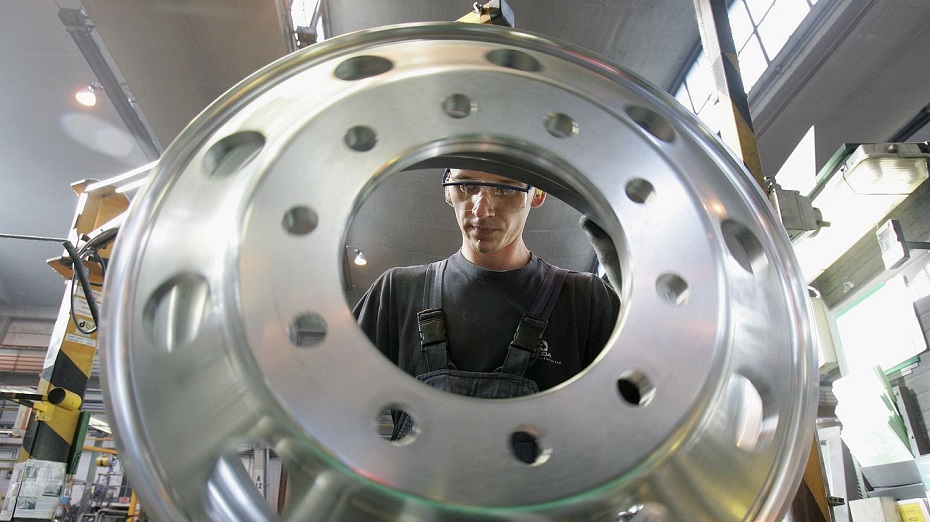
A man standing behind an Alcoa® wheel testing it
[Image credit: Denaparts]

All Alcoa wheels are put through stringent, rigorous testing before being released to market.

Biaxial wheel/hub fatigue test technology is one of the tests that are run. Also known as the LBF test, it takes into account actual driving conditions, like rotating, bending and operational loading conditions, when testing for wheel life durability.

Another test we run is called the RR Moore Test, where we test cyclic fatigue until the endurance limit is reached. A number of variables are thrown into the mix to increase and decrease stress factors on the wheels and to cover all bases.

All Alcoa Wheels exceed the 1 million cycle requirement outlined in globally recognised radial and cornering fatigue testing standards**.

While it’s all very well simulating conditions in the lab, out in the real world things are a little different, so good wheel design includes taking the wheels out for a spin on the road.

Grant says, “We make sure we find out how people are using our wheels, too, because the damage we’re putting on a wheel in the field may not be the damage we’re considering or testing for initially. Feedback from customers is an essential because that gives us an idea of what targets we need to design for.”

Damage cycles out in the field could be more lateral loads, more cornering loads, or where the wheel is positioned on the vehicle.

“If you’re getting to vocational applications such as mining or construction where they’re really going to the extremes for that wheel, you’ve got to make sure that you’re designing for those specific applications,” he adds.

Who would have thought wheel design would be such a complex undertaking?

Designing to the needs and applications of the customer is very much embedded in the Alcoa Wheels philosophy, and the results speak for themselves.

The Alcoa® Ultra ONE® 22.5” x 8.25” wheel is leading the drive to enhance the durability, sustainability and reliability of heavy-duty equipment wheels at just 18kg and with 17% more strength than industry standard 6061aluminium alloy wheels.

Make Sure It’s An Alcoa® Wheel
Two Alcoa Ultra ONE Wheels next to each other facing straight and side on

To spec your wheels, ring phone-icon 1800 955 191 to talk with our wheel experts, or fill out a contact form and one of our wheel specialists will help you out.


*FEA is a numerical method used for solving engineering problems that involve complicated geometries, various loading conditions and material properties.
** Reference SAE J267 testing using a 2.0 severity factor.

April 15, 2021

The Wheel That Became World Lightweight Champion

Weighing in at just 18kg, the new Ultra ONE® wheel from Alcoa Wheels has been heralded the New Lightweight Champion in the world of commercial vehicle wheels.

With MagnaForceTM and Hub Bore Technology added, the new Ultra ONE® wheel is now not only the lightest, but also the strongest heavy-duty truck and trailer wheel in the market.

The 22.5” x 8.25” wheel is available in Standard US 10-285 Fitment and can be finished in all current surface options: LvL ONE® (premium finish on both sides), Polished, and Dura-Bright®.

The New Lightweight Champion

This is the story of how this ‘not just another aluminium wheel’ is helping fleet and trailer owners shed kilos for increased payload and fuel efficiency by setting a new industry standard as the world’s lightest heavy-duty truck and trailer wheel.

Taking Things to Another Level

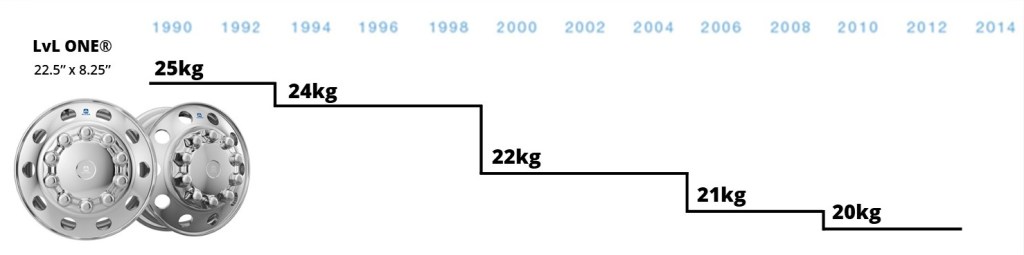
It was in 2009 that a new wheel took the market by storm, having reached the lightest weight then of 20.36kg. The flagship Alcoa 22.5” x 8.25” wheel had been reduced by 4.5kg’s over 20 years!

Alcoa Ultra ONE Wheel Chart showing lightest wheel in the market

Called the Classic (88367X) range, this was the latest wheel technology in the company’s committed work towards increasing wheel strength and load ratings.

 “The lighter the wheels, the greater productivity for fleets. Each kg we can reduce for trucks hauling heavy loads across long distances every day helps them lower costs and move more goods.” 
– Ross Simmons | Managing Director, Howmet Wheel Systems Australia

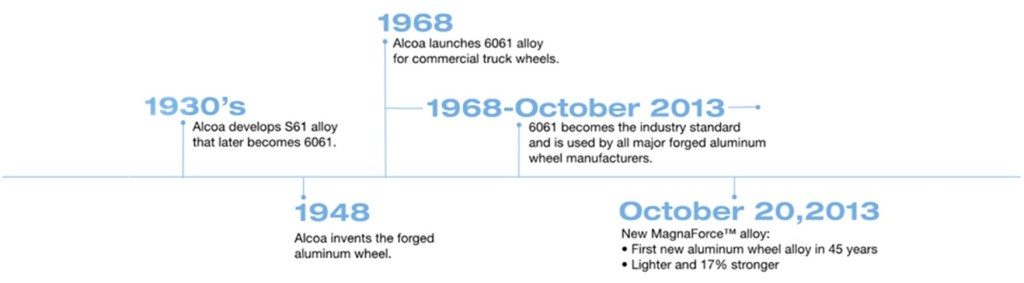
As the inventor of the forged aluminium wheel in 1948, Howmet Wheel Systems, the Australian Distributor of Alcoa Wheels, has continued to innovate. As they say, ‘Innovation is in our DNA’, and a new alloy was born: MagnaForceTM alloy. This patented 6063 alloy is exclusive to Alcoa Wheels. Up until then, Aluminium wheels were forged using the industry standard 6061 alloy for commercial truck wheels — and had been since 1968!

In 2013, for the first time in 45 years, aluminium alloy had become the strongest yet, offering a 17% increase in strength over existing alloys. What did that mean for the industry? Higher load rating on a lighter wheel with no compromise on strength. Only Alcoa Wheels are forged with MagnaForceTM alloy.

Alcoa Wheels MagnaForce Alloy Timeline showing 17% stronger alloy
Heavy Duty Without the Heavy

With the new MagnaForce alloy onboard, the then lightest wheel, the Ultra ONE® (ULTRAX) was released in 2014 (not to be confused with the NEW Ultra ONE® (ULTX)). Taking almost 2kgs out of the previous 20.36kg LvL ONE® 22.5” wheel, this new 18.55kg wheel enabled fleets to lower truck weight—saving nearly 45kg per 18-wheeler versus the previous lightest option—increasing payload and fuel economy while lowering maintenance costs.

Calculate your payload savings with our Payload Calculator.

The extra strength of the MagnaForce alloy meant the wheels could maintain a load of 3,360kg – that of the classic wheel – while lightening the truck and trailer.

Another new technology was added, too:

The hub bore groove technology, designed to reduce metal-to-metal contact in the hub, minimizing the surface area where corrosion can form by more than half (up to 64%, in fact), and thus allowing for easier wheel removal during maintenance.

Not Just Another Aluminium Wheel

In order to meet carbon emission regulations at Truck OEM’s, fleets are switching to lighter-weight wheels more and more to offset the weight of technologies needed to remove air pollutants from diesel engine exhausts.

Lighter-weight, lower-maintenance wheels also help trucks improve fuel economy to help make up for rising fuel prices and move goods in a cleaner, more fuel-efficient way.

In addition to their lighter weight, Alcoa® LvL ONE® finished wheels are six times brighter than competitors’ wheels, giving them strong aesthetic appeal, and because they are corrosion resistant and do not require stripping and repainting, they lower operators’ maintenance and operating costs.

Make Sure It’s An Alcoa® Wheel
Two Alcoa Ultra ONE Wheels next to each other facing straight and side on

To spec your wheels, ring phone-icon 1800 955 191 to talk with our wheel experts, or fill out a contact form and we will reach out to you to answer your questions and discuss your specifications.

March 1, 2021

The 5 Things Your Wheel Absolutely Must Show to Prove Its Authenticity

When shopping around for new or replacement aluminium wheels for trucks, trailers or buses you want to know that you’re getting quality, not just the cheapest price. 

Not every wheel is created equal, and in the long run a cheaper wheel may not end up going the distance when it comes to increasing payload capacity and lowering maintenance time and costs over the lifetime of your truck or trailer. 

Alcoa Wheels will always give you the same premium quality stamp of approval — literally. 

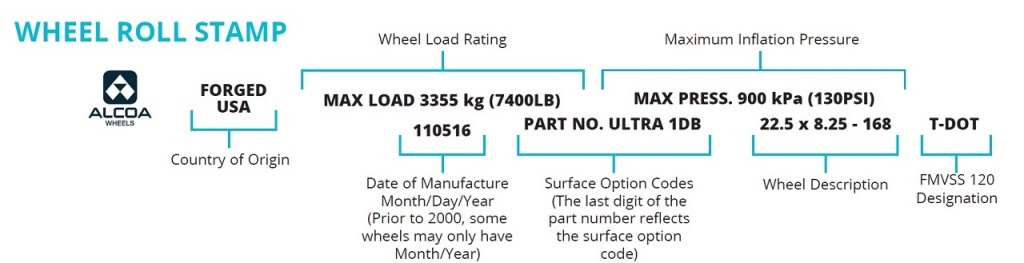
The integrity of Alcoa Wheels is stamped into every wheel in the roll stamp of authenticity. Knowing your product specifications, as well as the place and date of manufacturing is essential information that sets quality wheels apart from the rest.

Text showing the breakdown of the Alcoa Wheels Roll Stamp

If you want peace of mind that your wheel will withstand the tough and rugged environment that heavy duty vehicles endure … then make sure it’s an Alcoa wheel.

Alcoa Wheels, manufactured and distributed by Howmet Wheel Systems, are meticulously designed and rigorously tested to uphold the company’s dedication to lowering operating costs for truck and trailer fleet owners by engineering wheels that are lighter, stronger and more durable than others available at a lower price.

In other words, we take our stamp of authenticity very seriously. 

Text showing the breakdown of the Alcoa Wheels Roll Stamp
The 5 Things to Look For On A Quality Aluminium Wheel Roll Stamp

You can always rely on the roll stamp to display the 5 most essential information pieces necessary to know what you’re buying.

  1. Where the wheel is made. All Alcoa wheels are manufactured in the U.S, Hungry or Mexico under stringent manufactured guidelines – trusted since 1948. Quality control checks are conducted on each and every batch release.
  2. Date of manufacture. The manufacturing date allows you to track and monitor the 5-year product warranty that comes with every Alcoa wheel.
  3. Load rating information is critical for driver and passenger safety, as well as wheel/tyre longevity.
  4. Part numbers are important when ordering, re-ordering or matching existing wheels – it ensures you get the right wheel for your equipment.
  5. Size of wheel guards against installing incorrect wheel sizes. Alcoa’s strict quality control measures safeguards against size difference. The Alcoa Wheels technical staff can assist in advising on the correct wheel specs for your vehicle or equipment.

NOTE: Wheels bearing the Quality and Safety marks T-DOT and JWL-T indicate they meet or exceed the Japanese Ministry of Land, Infrastructure, Transport and Tourism (MLIT) standards for quality and Performance, for fitment to commercial vehicles in that market.

Make Sure It’s An Alcoa Wheel
Two Alcoa Ultra ONE Wheels next to each other facing straight and side on

Did you know that you can specify Alcoa Wheels when buying a truck or trailer?

Ask for Alcoa Wheels to be included in the quote. To spec your wheels, ring phone-icon 1800 955 191 to talk with our wheel experts, or fill out a contact form and we will reach out to you to answer your questions and discuss your specifications.

February 22, 2021